Most websites have the same problem.
If you need web design in Adelaide Hills or anywhere across South Australia, the starting point matters more than the platform. Craig Hindman is a web designer and developer based in Adelaide Hills, building sites on Next.js, WordPress, and Shopify for businesses that want a website that actually does something, not just one that looks good at launch.
Most websites were built to look good at launch. Nobody thought hard about what they needed to do: what action visitors needed to take, what questions they needed answered before trusting you enough to make contact, what keywords they needed to rank for. They look reasonable and they do almost nothing.
A website is your best-performing salesperson if it is built that way. It is an expensive brochure if it is not.
Who this is for
Web design works best for businesses that have outgrown their current site or are building from scratch with clear commercial goals. Specifically:
- Adelaide Hills and South Australia businesses that need a site that ranks locally for their primary services and converts visitors into enquiries
- E-commerce businesses that need a Shopify build that looks distinctly theirs, not a slightly modified template
- Professional services firms, consultants, and not-for-profits that need a site that positions them credibly and drives the right kind of contact
- Businesses that have had a site built before and been disappointed by the results, either in traffic, enquiries, or both
- Anyone building a new brand from scratch who wants the website and the strategy to come from the same thinking
How web projects work
1. Discovery and strategy
Understanding your business, your audience, and what you need the site to achieve. Sitemap, content architecture, and messaging hierarchy come from this phase. This is where the design brief gets built before anyone looks at colours or layouts.
2. Content planning
Keyword research informs the content structure. Which pages need to exist, what they need to say, and how they connect to each other. SEO is not a layer added at the end. It shapes the architecture from the beginning.
3. Design
Wireframes first, then visual design. The design serves the strategy, not the other way around. Every layout decision should have a reason connected to what you need visitors to do.
4. Development
Built clean, built fast, built to last. No bloated page builders. Proper code, optimised assets, schema markup, Core Web Vitals performance from the start. The technical quality of the build determines how well the site performs in search and how easy it is to maintain over time.
5. Copy
I write or edit the copy for most sites I build. The keyword research informs the content, and the content sounds like it was written by someone who understands your business. Because it was.
6. Launch and handover
Testing across devices, performance checks, and a proper handover so you know how to manage your site going forward. Not a rushed launch followed by silence.
The three platforms
Next.js is what I reach for when performance and SEO are the priority, which increasingly they always are. Next.js sites are fast, they render in ways that search engines and AI crawlers process well, they are scalable, and they run on modern infrastructure that keeps them fast globally. This site is built on Next.js.
WordPress makes sense when the client needs genuine editorial control: the ability to add pages, update content, and manage a blog without touching code. I build on WordPress with a performance-first approach, no page builders, clean code, optimised hosting.
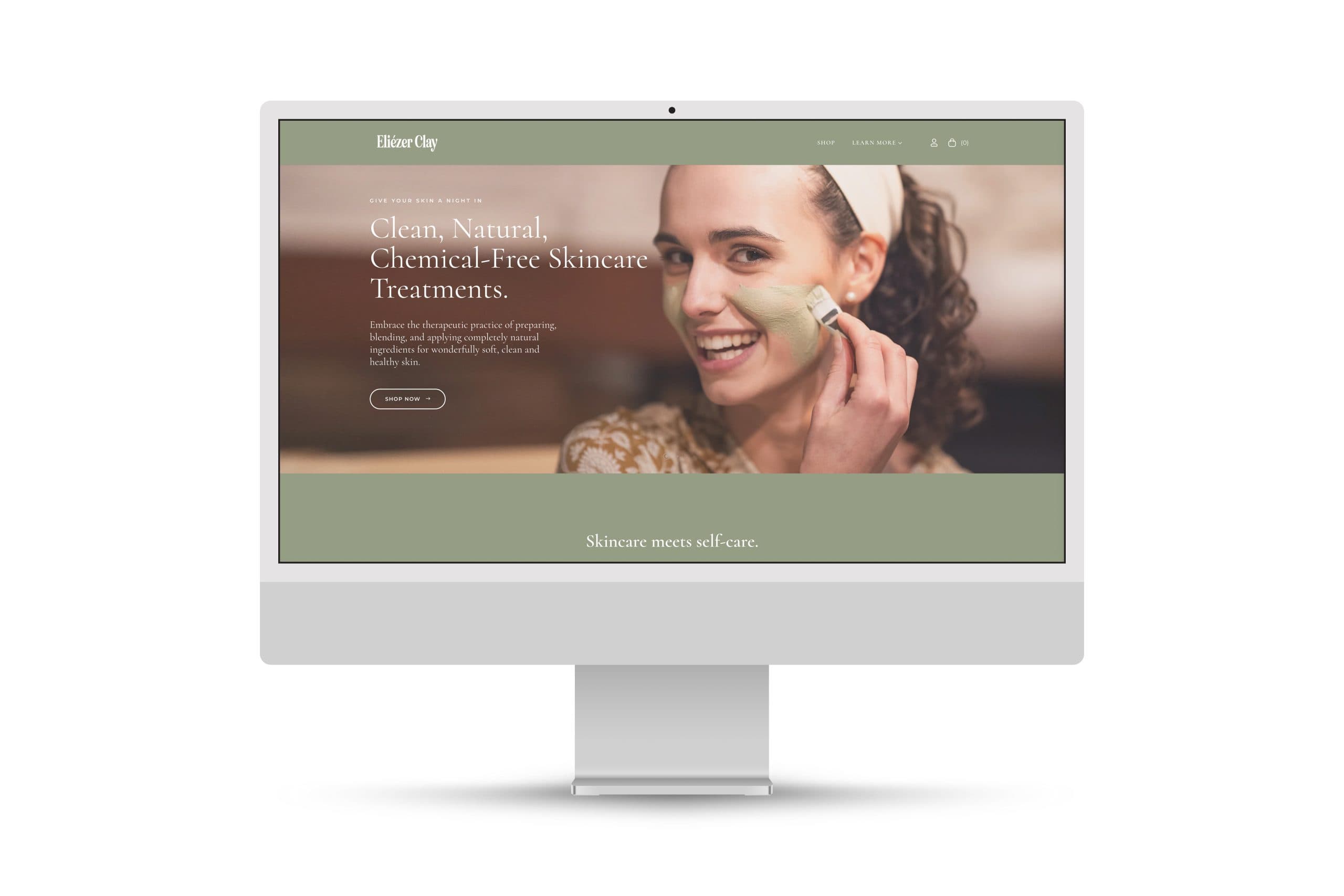
Shopify for e-commerce. The platform is excellent, the ecosystem is mature, and custom builds on Shopify can look and feel completely distinct from the standard templates.
SEO is part of the build, not an afterthought
Every site I build includes proper schema markup, metadata, heading structure, internal linking architecture, and Core Web Vitals performance as standard. Not as extras. Because a site that does not rank is a liability, not an asset.
The unusual combination
I am a marketing consultant who can also build websites. The site is not just designed to look like your brand. It is designed to do your marketing. The positioning, the messaging, the calls to action, the content hierarchy: all of it comes from the same strategic thinking that underpins your entire marketing approach. Because it does.
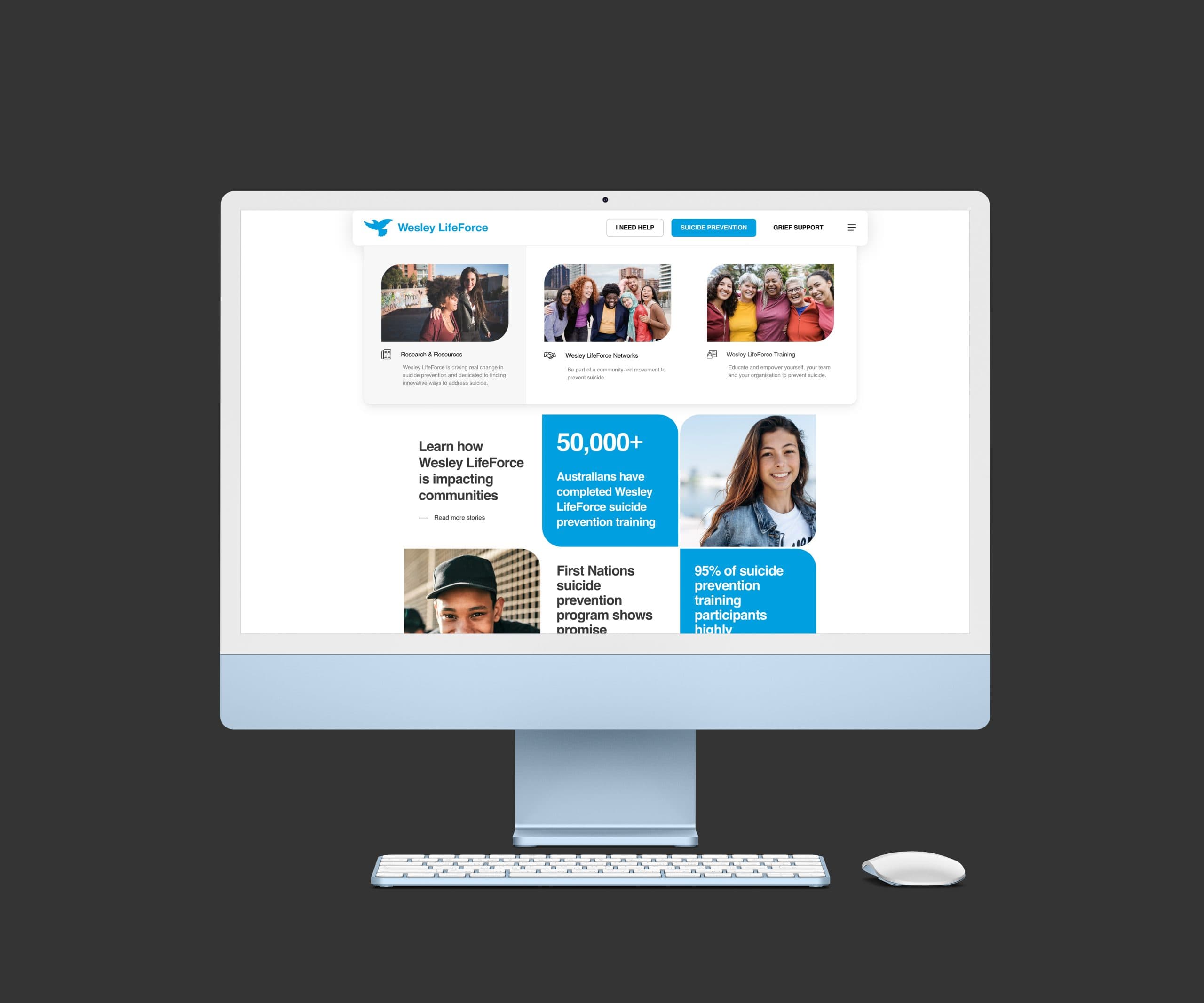
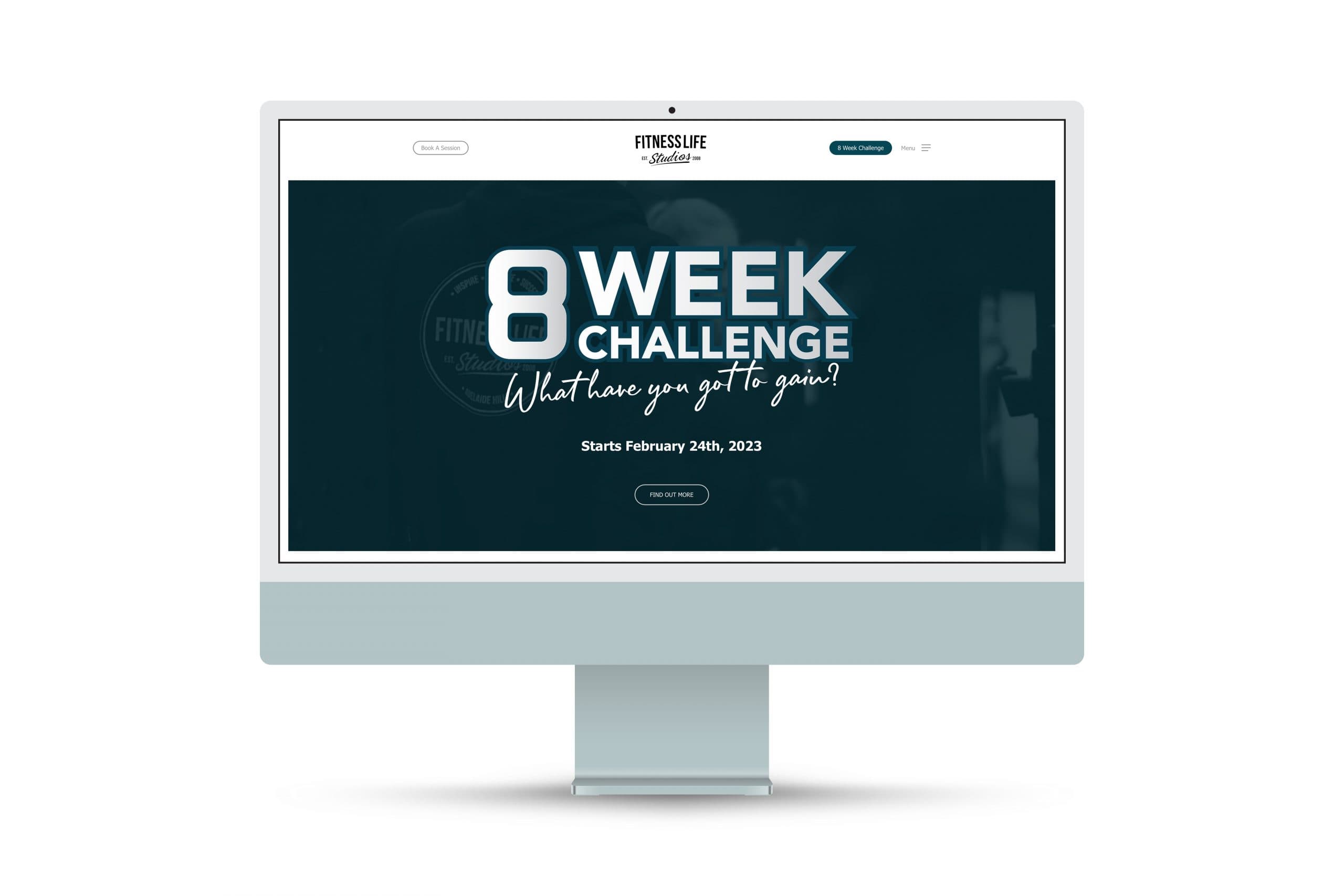
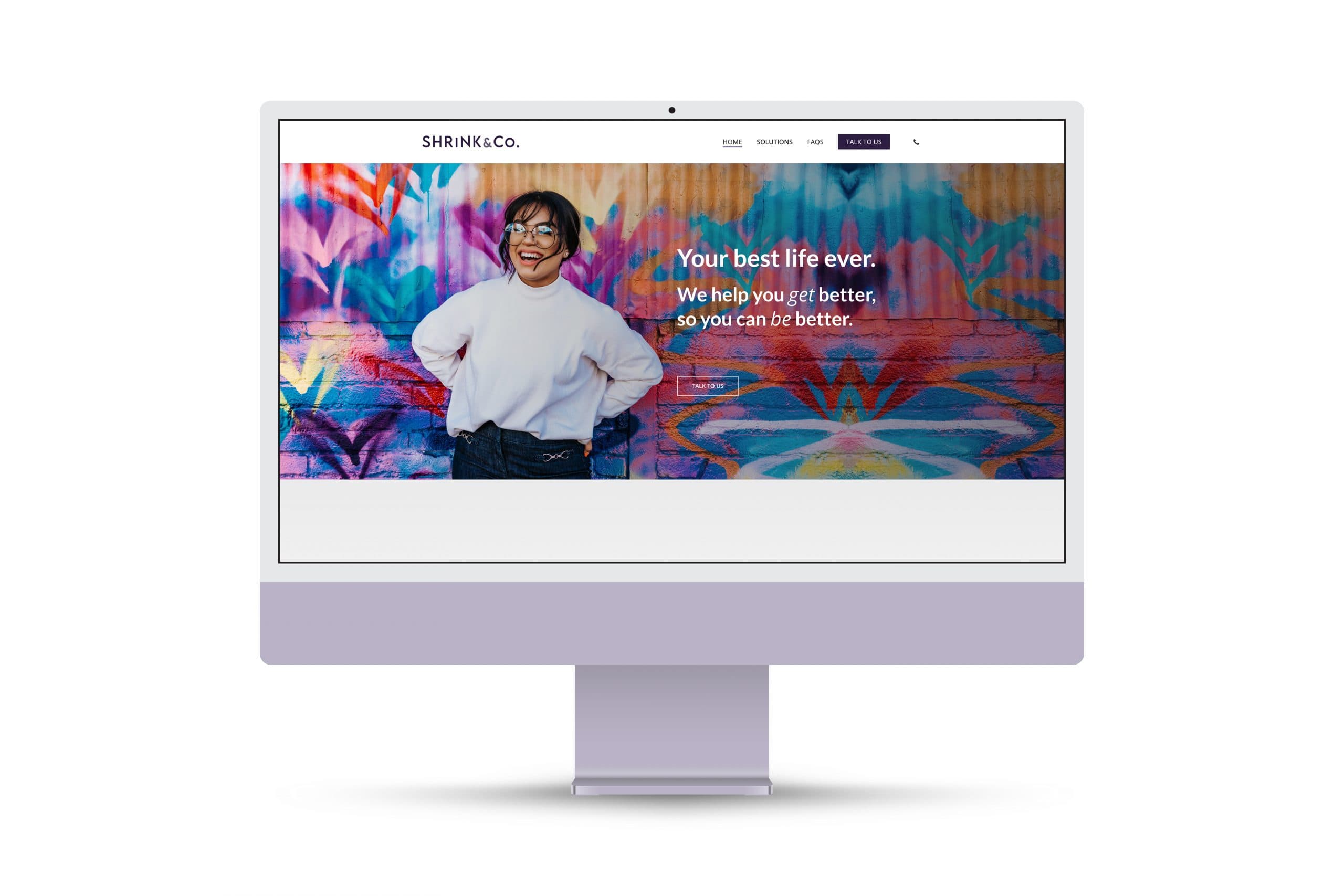
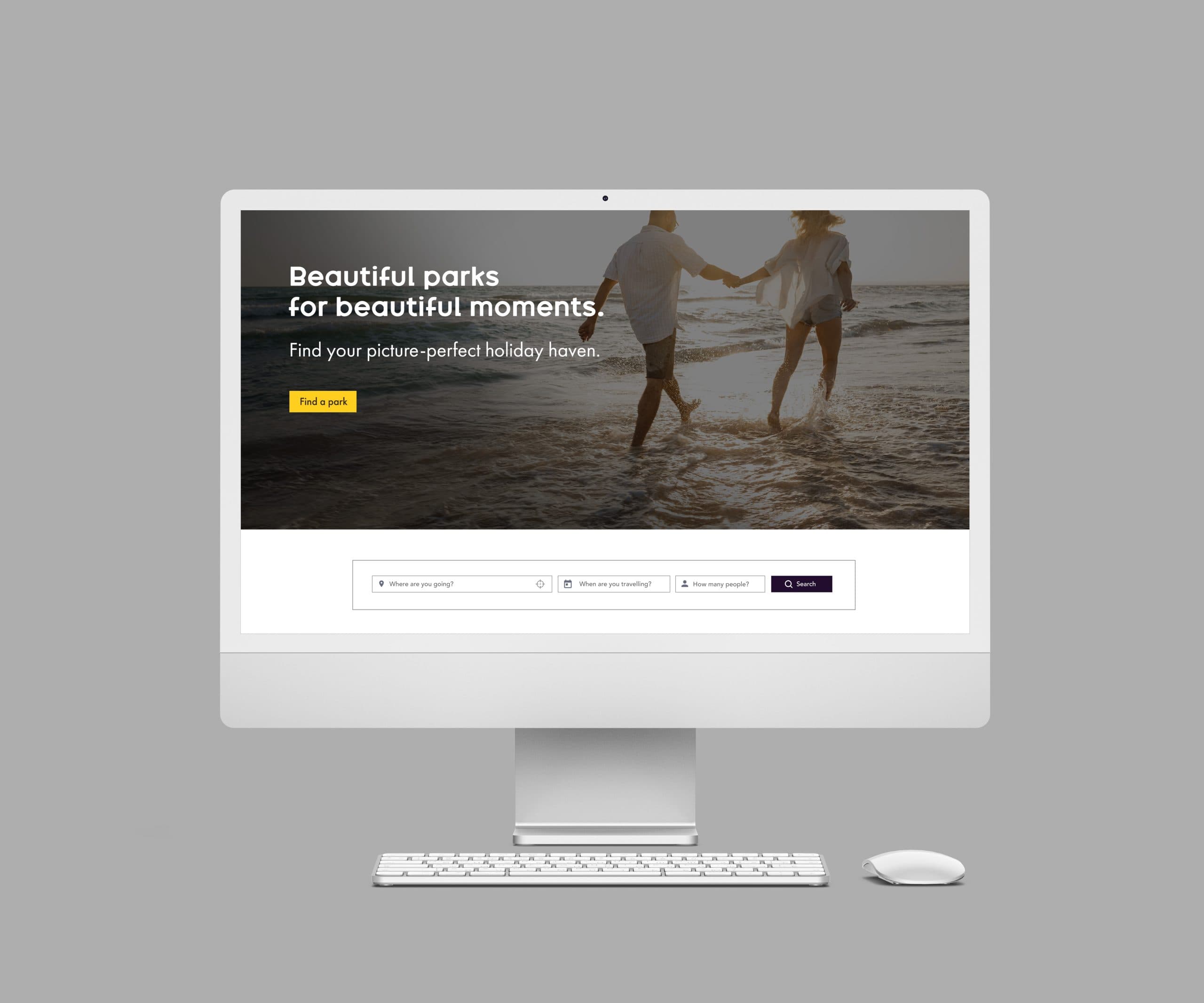
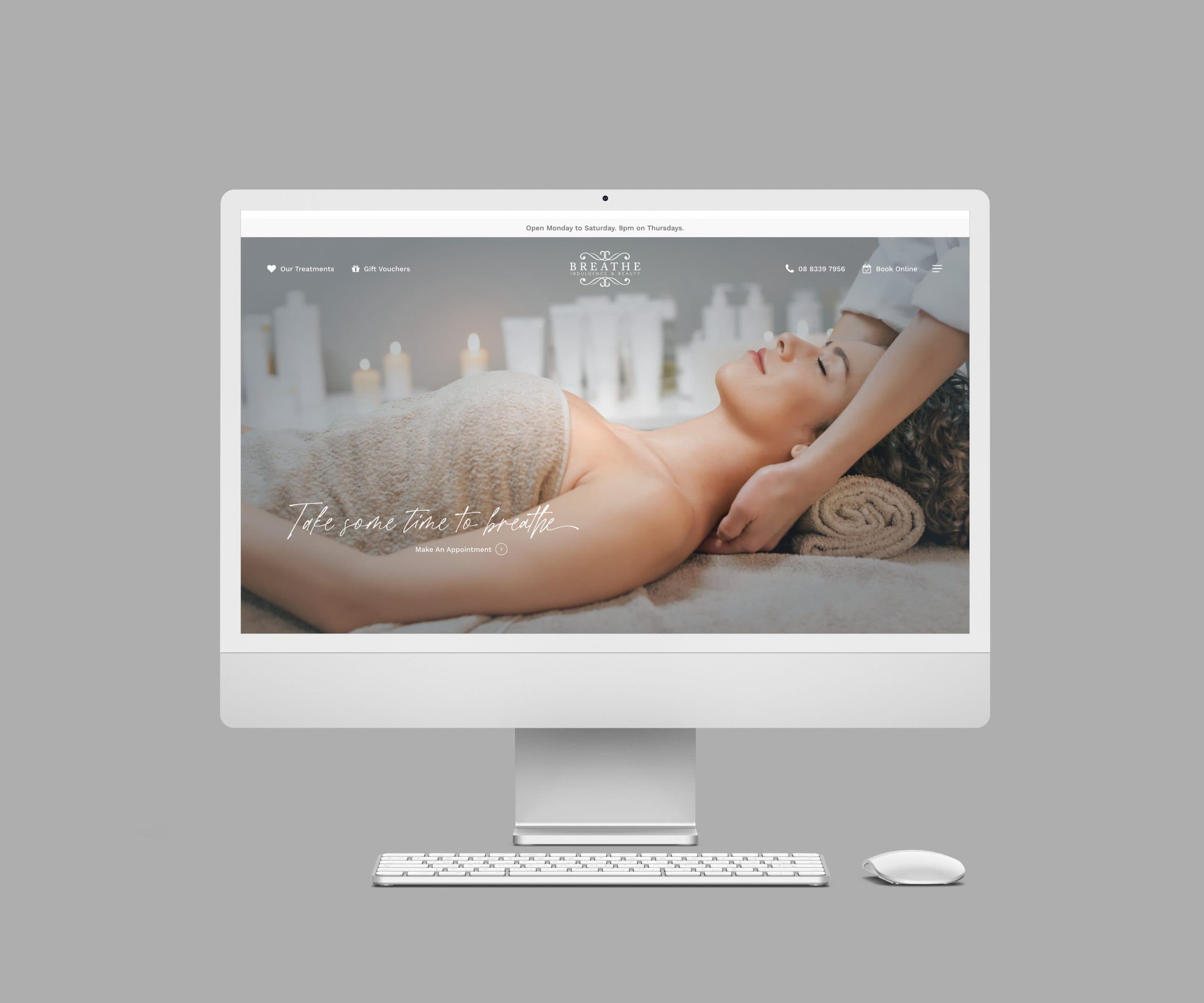
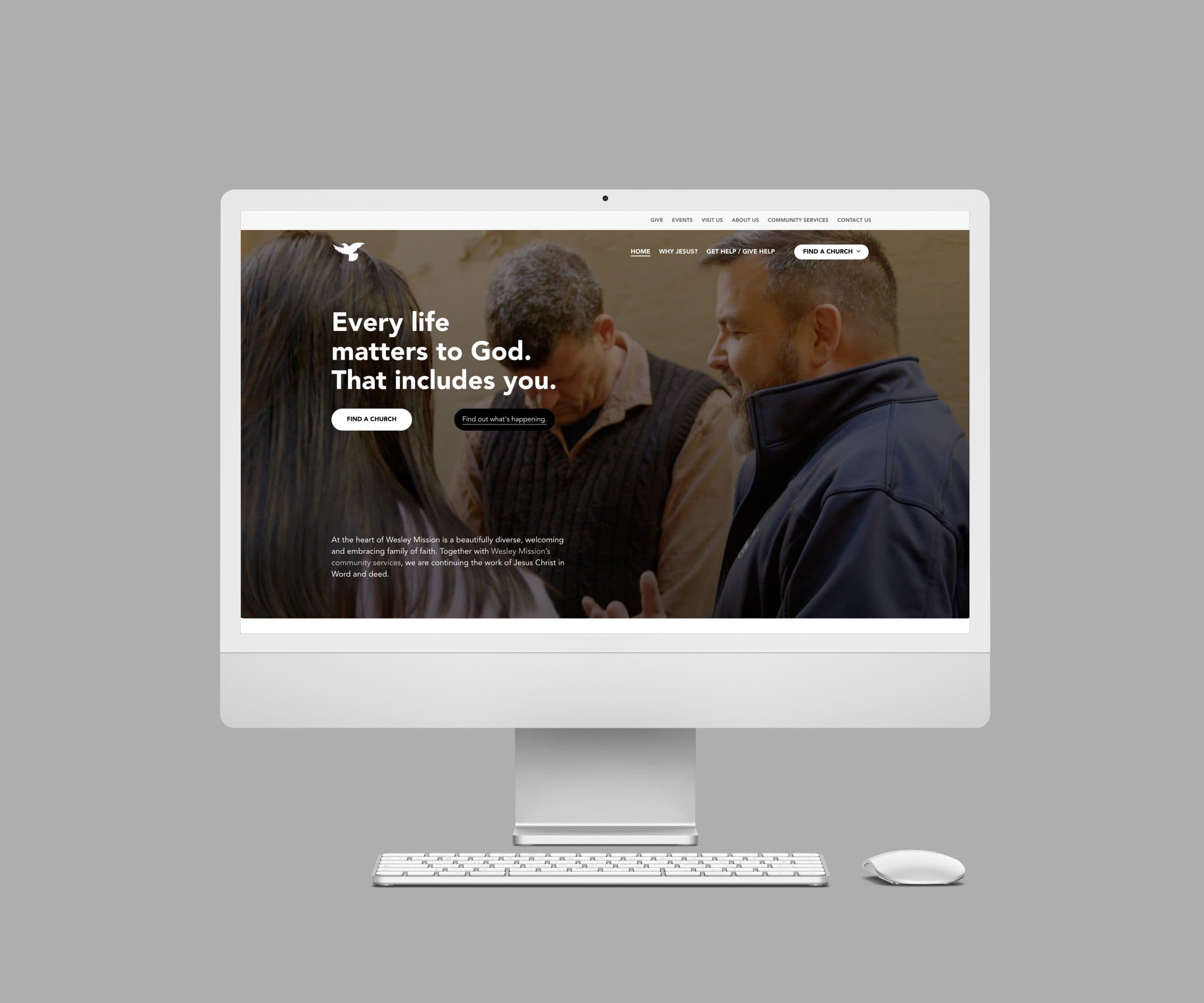
Recent builds include Wesley Mission, Fitness Life Studios, Eliézer Clay, Maton Guitars, and Shrink and Co., across Next.js, WordPress, and Shopify. Each one built to rank, built to convert, and built to last.